



On September 22, 2026, in Hanoi, the National Political Publishing House, in collaboration with the Vietnam Sociological Association, the Institute of Sociology and Psychology, and the Vietnam Academy of Social Sciences, organized the National Scientific Conference on Digital Society: Theoretical and Practical Issues.
National Scientific Conference “Digital Society: Theoretical and Practical Issues”
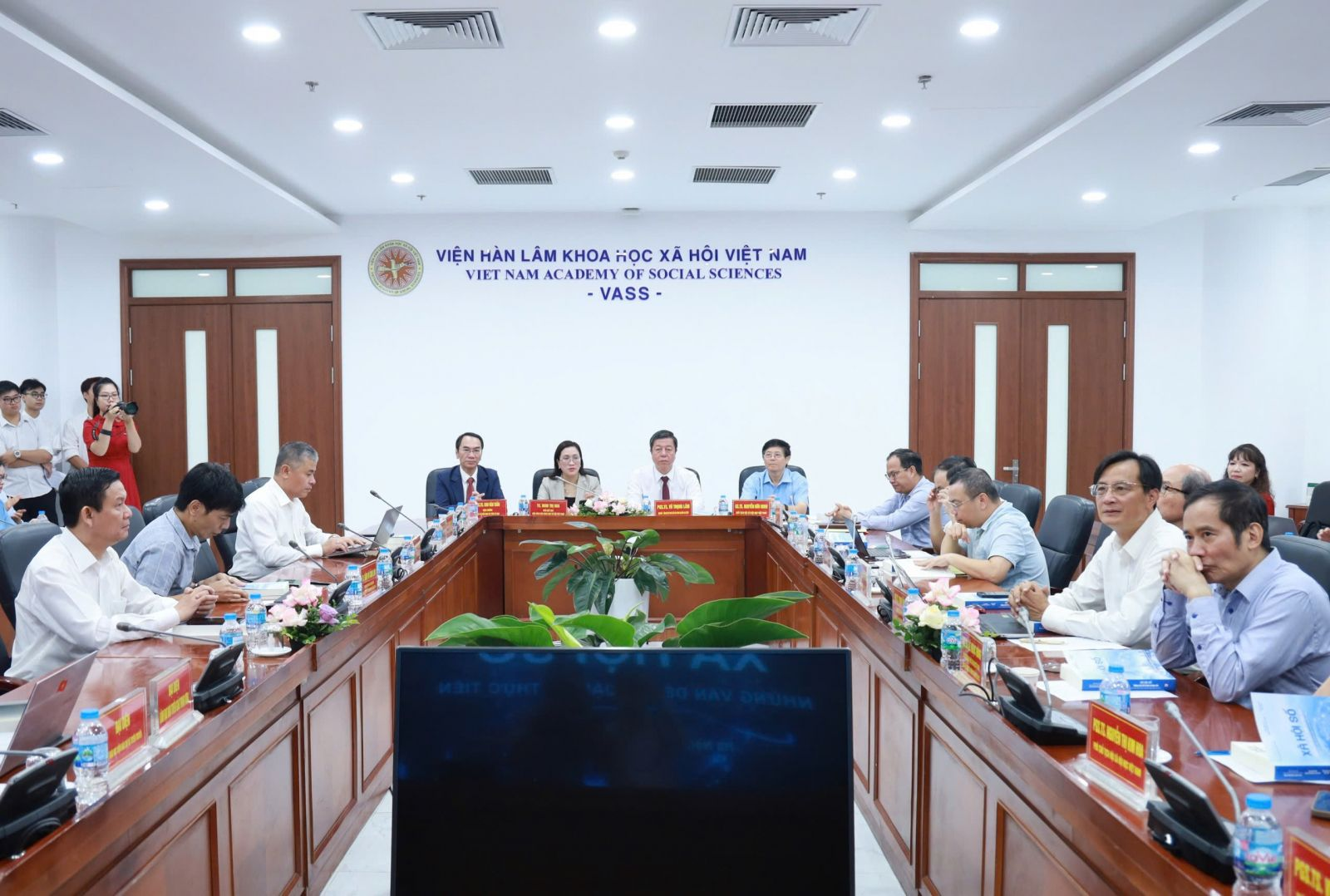
A view of the conference.
The workshop was chaired by Assoc. Prof. Dr. Vu Trong Lam, Director - Editor-in-Chief of the National Political Publishing House; Dr. Dinh Thi Mai, Vice President of the Vietnam Academy of Social Sciences; Assoc. Prof. Dr. Chu Van Tuan, Director of the Institute of Sociology and Psychology, Vietnam Academy of Social Sciences; and Prof. Dr. Nguyen Huu Minh, President of the Vietnam Sociological Association.
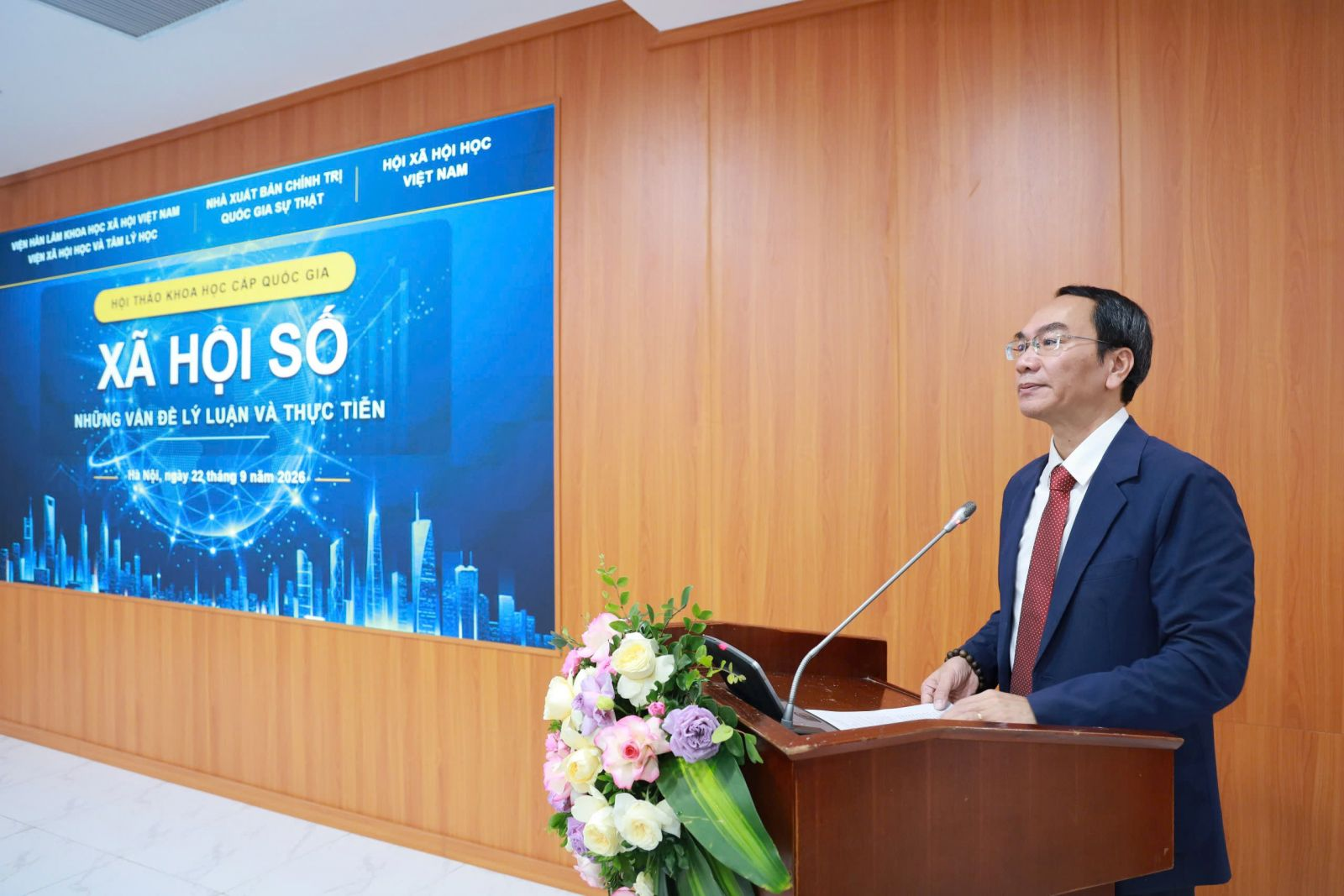
Associate Professor Dr. Chu Van Tuan , Director of the Institute of Sociology and Psychology, Vietnam Academy of Social Sciences, delivered the opening remarks at the conference.
The workshop was attended by representatives from the leadership of several central ministries and departments, training institutions, research institutes, relevant agencies and units, along with a large number of experts, scientists, and managers.
The digital society is becoming a new space for development, while simultaneously posing many new challenges to the understanding and organization of social life. As one of the core pillars of the national digital transformation strategy, the digital society plays a driving role in promoting rapid and sustainable development, improving the quality of life for the people, and ensuring national defense and security in the new era. The documents of the 14th National Congress of the Communist Party of Vietnam clearly state: "Promoting comprehensive national digital transformation, first and foremost by perfecting digital infrastructure and digital data; building a digital government, digital economy, digital society, and digital citizens."
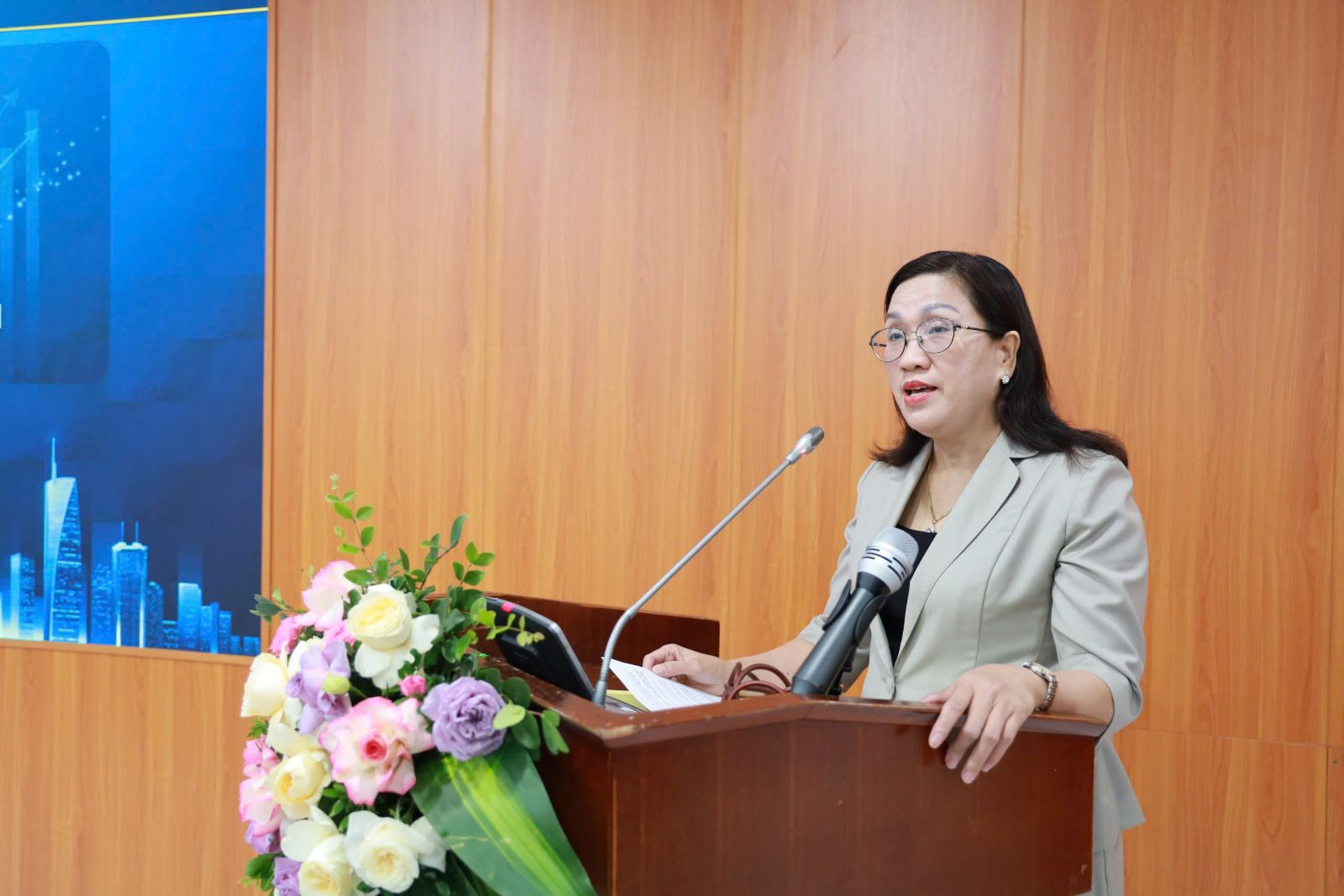
Dr. Dinh Thi Mai, Vice President of the Vietnam Academy of Social Sciences, delivered a speech at the conference.
In this context, the conference was organized to create a scientific forum for scientists, experts, and managers to exchange and clarify theoretical and practical issues concerning the digital society; to identify the changes in life and social relations under the impact of digital technology; and to analyze the new requirements and conditions for the development of a digital society that is inclusive, safe, and human-centered.
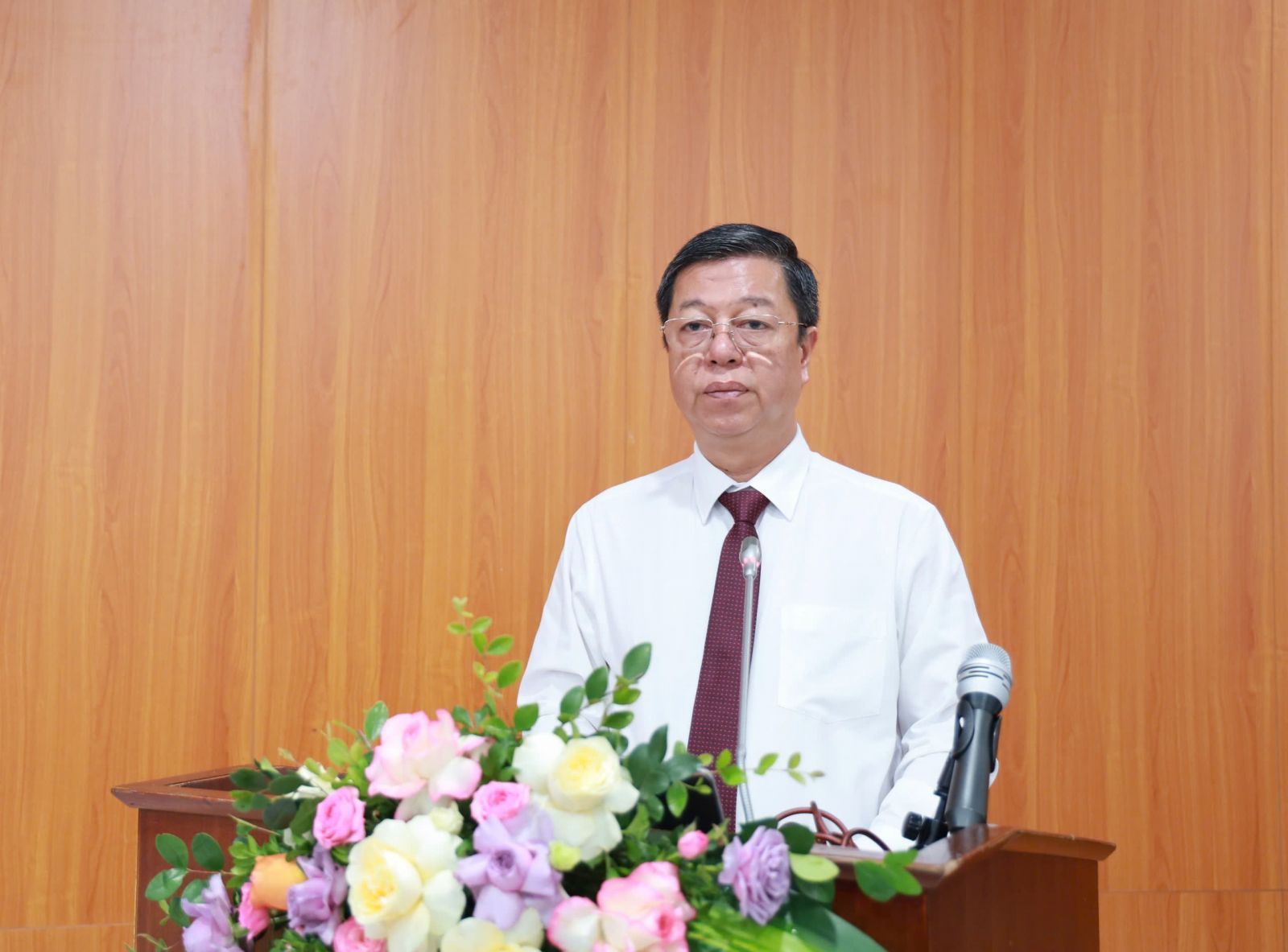
Assoc. Prof. Dr. Vu Trong Lam , Director and Editor-in-Chief of the National Political Publishing House, delivered the opening remarks at the seminar.
In his opening remarks at the seminar, Associate Professor Dr. Vu Trong Lam, Director and Editor-in-Chief of the National Political Publishing House, affirmed that the digital society should be studied as a social issue, not merely a technological one. Accordingly, the key issues to consider are the changes to life, social relations, interaction methods, organization of life, and the participation of stakeholders in the digital environment. From a theoretical perspective, it is necessary to distinguish the digital society from related concepts such as digital transformation, digital economy, digital government, and digital citizenship; in which, the digital society has a broader scope, encompassing the changes in life and social relations under conditions of increasingly widespread digital technology.
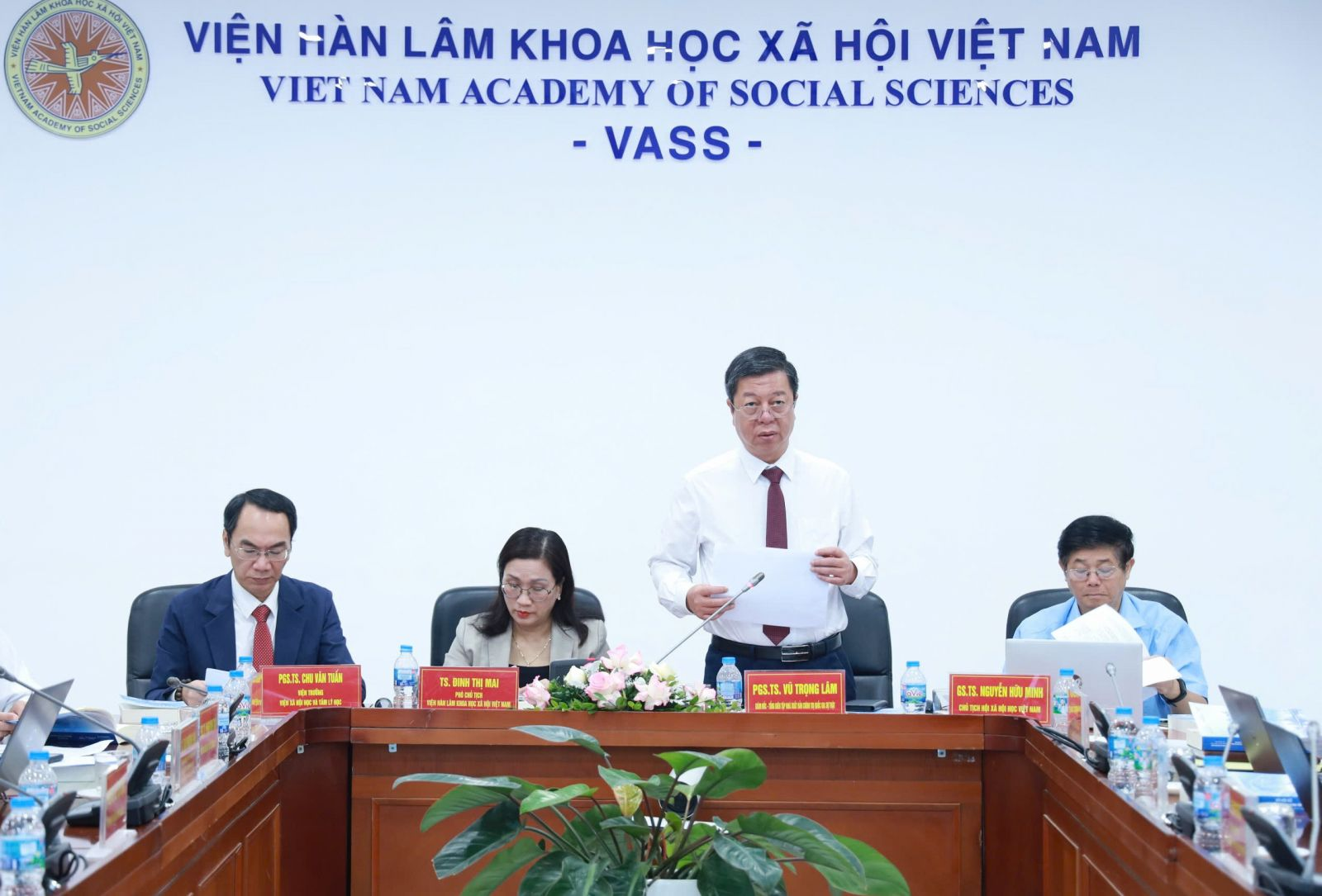
The chairpersons of the workshop conducted Session 1 with the theme " Theoretical and practical issues concerning the construction of a digital society in Vietnam".
According to Associate Professor Dr. Vu Trong Lam, the development of the digital society opens up many opportunities in accessing information, knowledge, and services; creates new methods in learning, working, and doing business; improves management efficiency; and expands connections between individuals, organizations, and communities. However, this process also raises new issues regarding data, privacy, information security, the responsibilities of stakeholders in the digital environment, and the impact of artificial intelligence on social life.
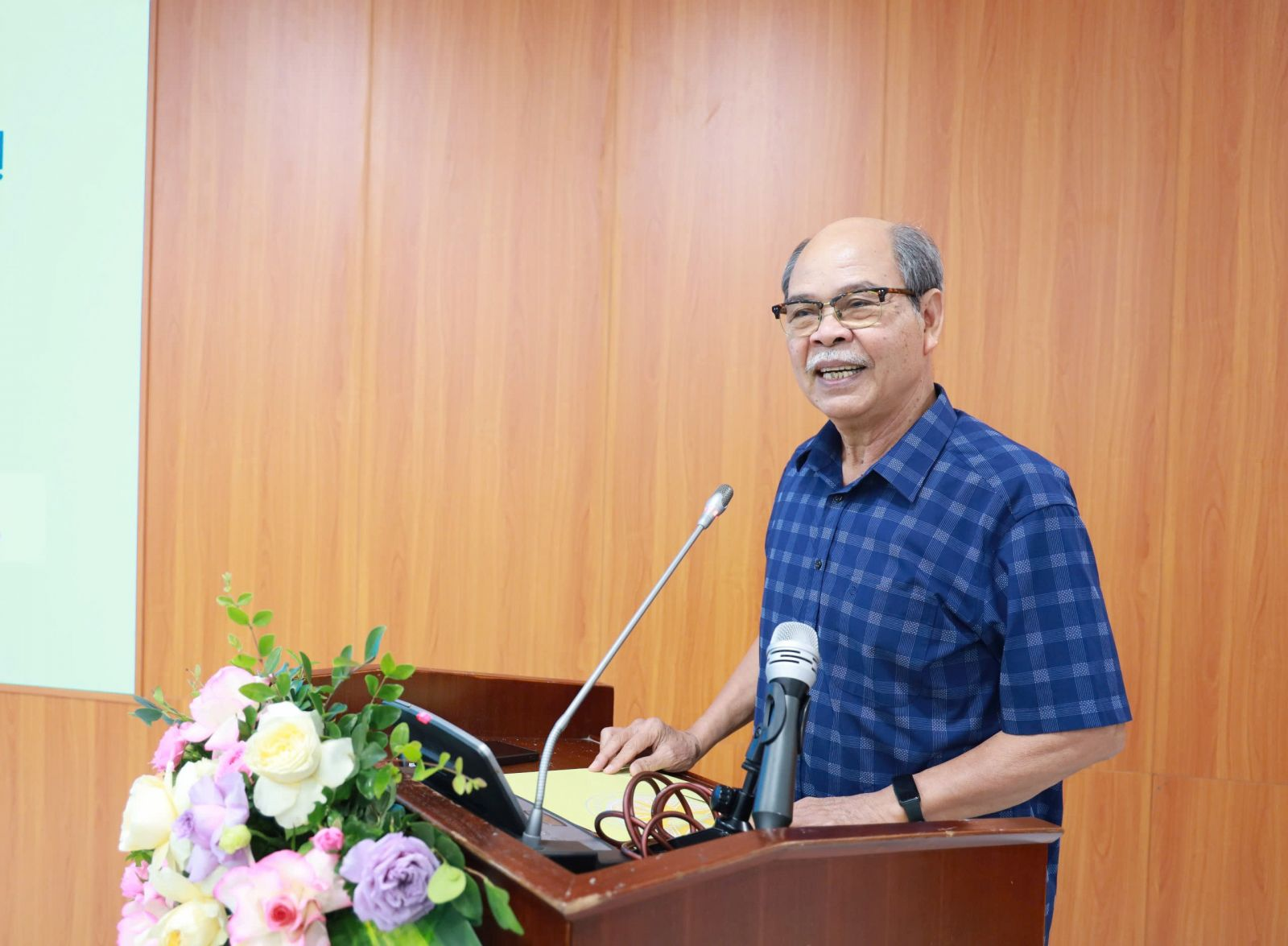
Professor Trinh Duy Luan, former Director of the Institute of Sociology and former President of the Vietnam Sociological Association, presented a paper on the topic "Managing Social Development in Urban Areas in the Context of Digital Transformation".
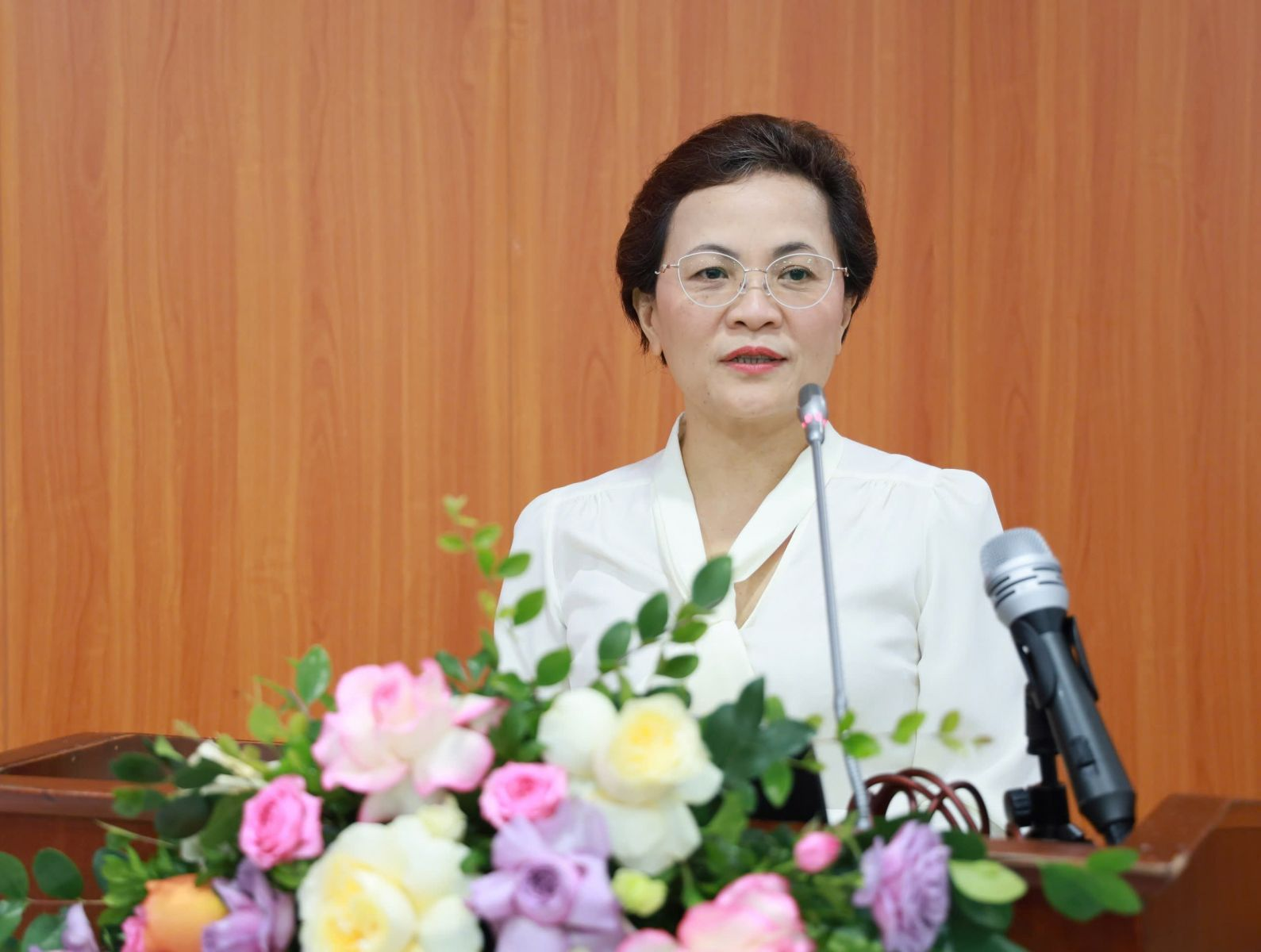
Associate Professor Dr. Le Thi Thuc, Member of the Editorial and Publishing Council of the National Political Publishing House, presented a paper on the topic "Digital Inequality in Vietnam: From the Technology Access Gap to Social Opportunity Inequality".
Based on this, the State needs to enhance its data-driven governance capacity, ensuring transparency, accountability, and the ability to protect the rights of stakeholders; the law needs to promptly adjust to new relationships arising from technological development; organizations and businesses need to increase their responsibility towards data and users; and citizens need to be equipped with the capacity to master the digital environment.
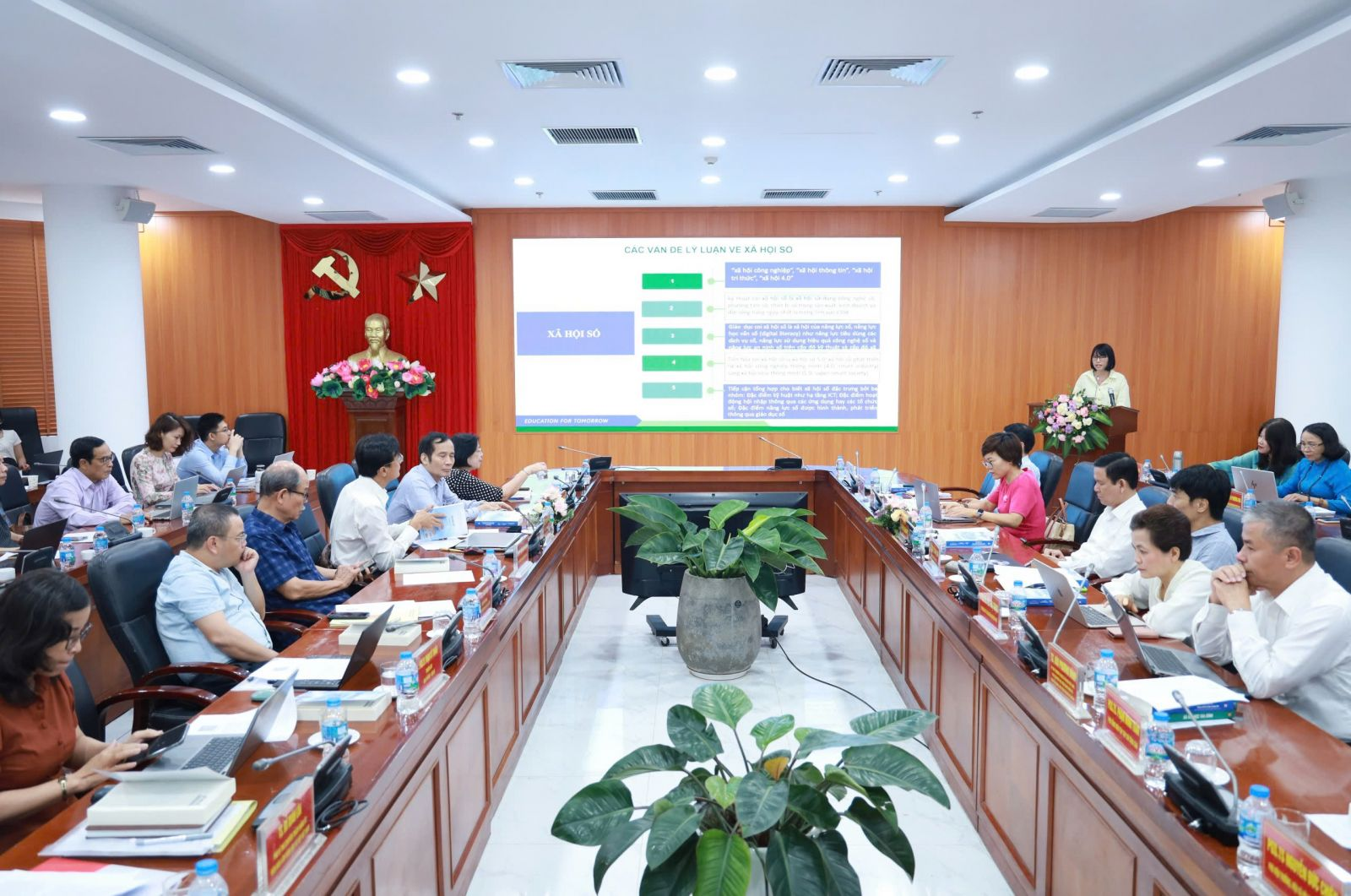
The presentations and discussions at the conference provided further scientific and practical basis for building and developing a digital society in Vietnam in a rapid and sustainable manner.
Associate Professor Dr. Vu Trong Lam emphasized that building a digital society, ultimately, is not just about building a society with more technology, but about building a society capable of using technology to develop better, manage more effectively, and create more opportunities for human development. This perspective places people at the center of the digital society development process, and also shows the requirement to approach the digital society not only from a technological perspective but also from the perspective of people, social relations, institutions, and governance.
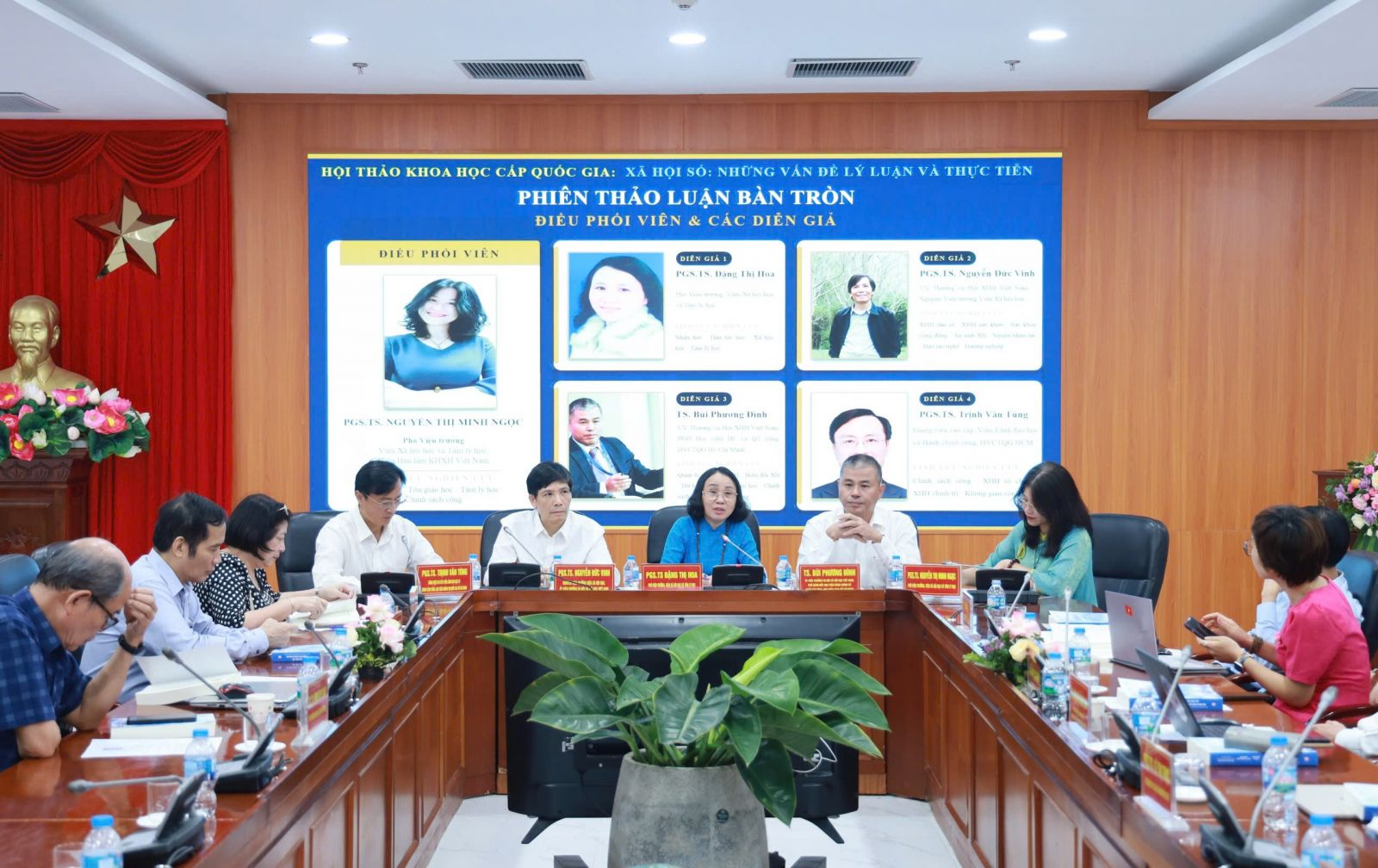
Speakers exchanged views in Session 2 of the Conference on the topic " The Impact of the Digital Society and Policy Implications".
At the conference, scientists, researchers, managers, and delegates discussed and exchanged ideas on managing social development in urban areas in the context of digital transformation; the relationship between the digital society and education; digital risks and the self-protection capacity of youth; the digital capacity of commune-level officials and civil servants; the impact of the digital society on individuals, families, communities, labor, education, culture, and media; and suggested issues requiring further research on improving institutions, innovating governance, developing human resources, protecting the rights and interests of citizens, and ensuring information security in the digital environment.

Professor Dr. Nguyen Huu Minh, President of the Vietnam Sociological Association, delivered the concluding remarks at the conference.
The conference's outcomes contribute to supplementing scientific and practical arguments about the digital society; identifying fundamental issues, gaps in understanding, and new requirements in the process of building and developing the digital society in Vietnam. The conference helps to clarify the approach to the digital society from the perspectives of people, social relations, institutions, and governance, in addition to technology; thereby providing further scientific and practical basis for building and developing the digital society in Vietnam in a rapid, sustainable manner, enhancing adaptability and mastery of technology, for the development of humankind.
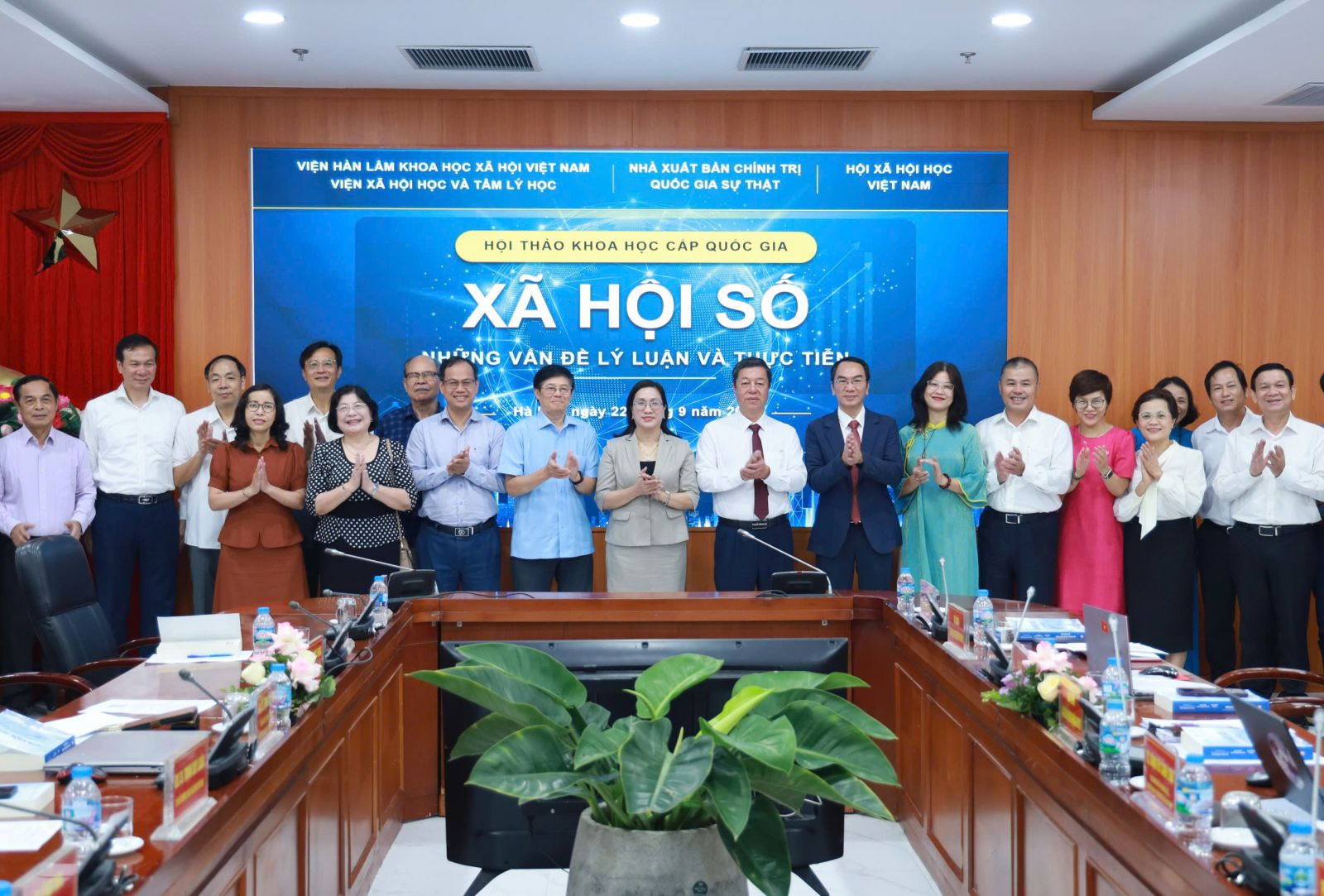
Delegates pose for a commemorative photo at the conference.

Comments