



On August 20, 2026, in Hanoi, the National Political Publishing House "Truth" (NXB Chính trị quốc gia Sự thật), in collaboration with the Academy of Journalism and Communication, organized a national scientific seminar titled "Innovating the Dissemination and Popularization of Political Theory in Cyberspace."
National Scientific Seminar: “Innovating the Dissemination and Popularization of Political Theory in Cyberspace”
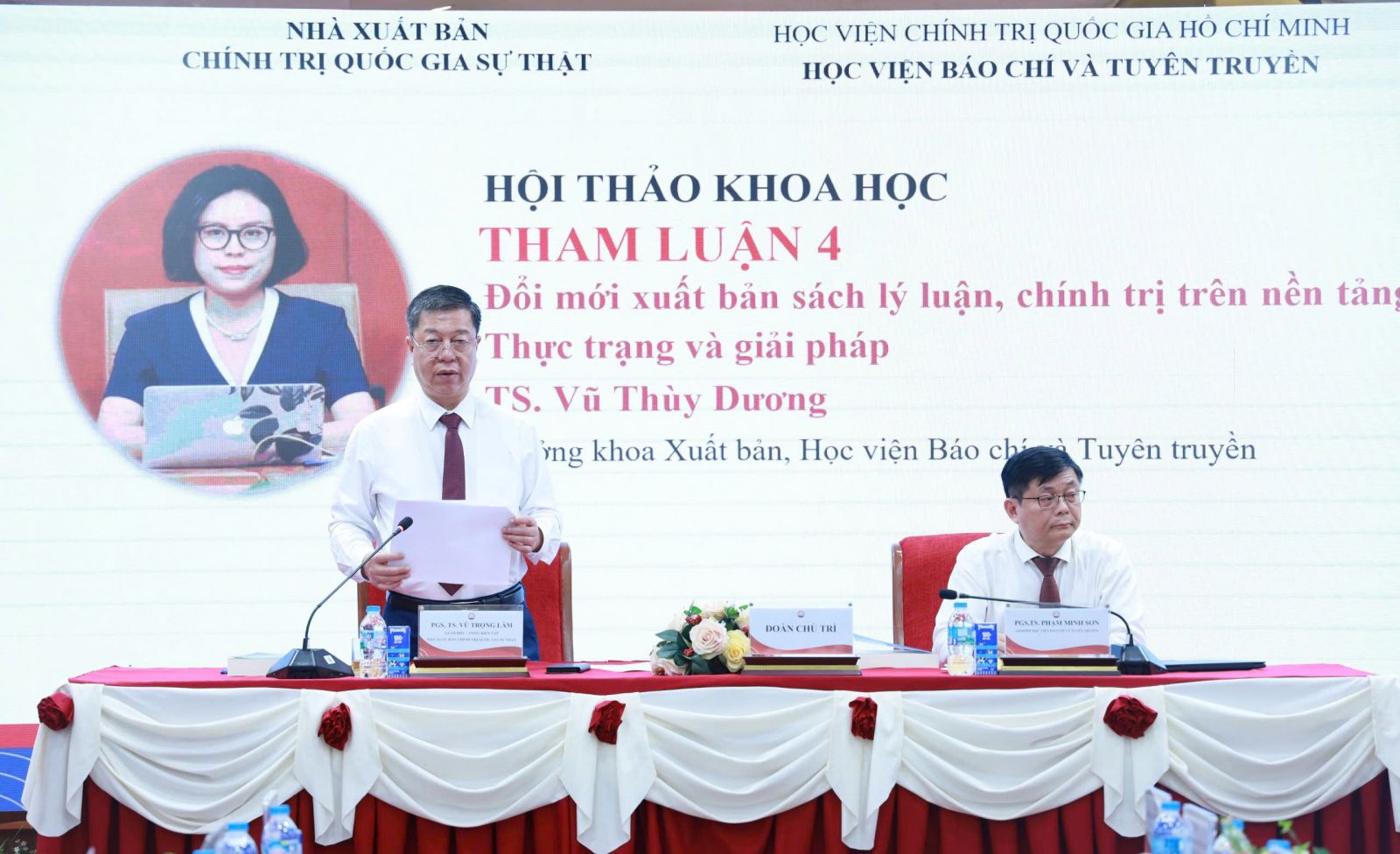
The officials presiding over the seminar.
Assoc. Prof. Dr. Vu Trong Lam, member of the Party Committee of the Central Party Agencies, Party Committee Secretary, and Director and Editor-in-Chief of the National Political Publishing House "Truth" (Su That), together with Assoc. Prof. Dr. Pham Minh Son, President of the Academy of Journalism and Communication, presided over the seminar.
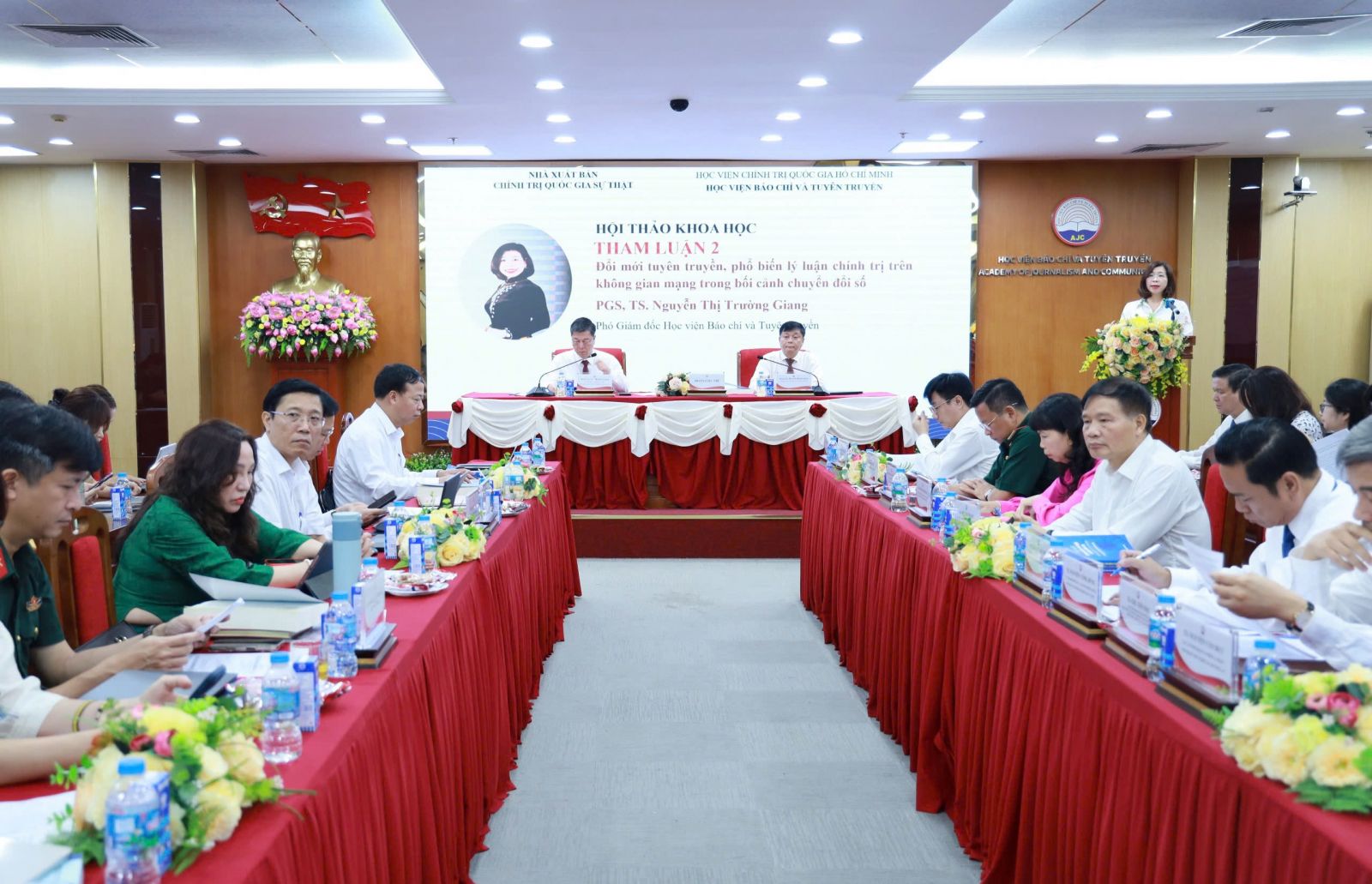
A view of the seminar.
The seminar was attended by representatives from various central-level agencies, ministries, and sectors; leaders from units under the National Political Publishing House "Su That" (Truth) and the Academy of Journalism and Communication; as well as a large number of scholars, experts, and administrators from central and local government bodies, academic institutions, universities, research institutes, and media and publishing organizations.
In recent years, the process of digital transformation—alongside the rapid development of the internet, social media, artificial intelligence, and digital communication platforms—has profoundly altered the ways in which information is produced, distributed, and consumed. Cyberspace has increasingly become a vital environment for exchanging information, sharing knowledge, shaping perceptions, and facilitating social interaction; it also exerts an ever-more significant influence on ideological and theoretical work, as well as policy communication.
Against this backdrop, the dissemination and popularization of political theory are presented with new opportunities to expand their reach, diversify methods of delivery, and enhance engagement with various public audiences. However, the exponential growth of information, competition among sources, content distribution mechanisms driven by algorithms, and the emergence of new technologies—most notably artificial intelligence—have introduced new requirements. Political-theoretical content must not only remain accurate and scientifically sound, but it must also be presented in ways that are well-suited to the digital environment and the increasingly diverse needs of the public. Consequently, the need to innovate the dissemination and popularization of political theory has become ever more urgent. This requires not only an innovation in the means used, but also a shift in mindset, content, organizational methods, and approaches to engaging the public—all while leveraging capabilities in technology application and data analysis to enhance interaction and the effective dissemination of information. In light of this, the national scientific seminar titled “Innovating the Dissemination and Popularization of Political Theory in Cyberspace” has been organized to serve as a scholarly forum for discussing theoretical issues, synthesizing practical experiences, clarifying emerging challenges, and proposing solutions to innovate and effectively carry out the dissemination and popularization of political theory within the digital environment.
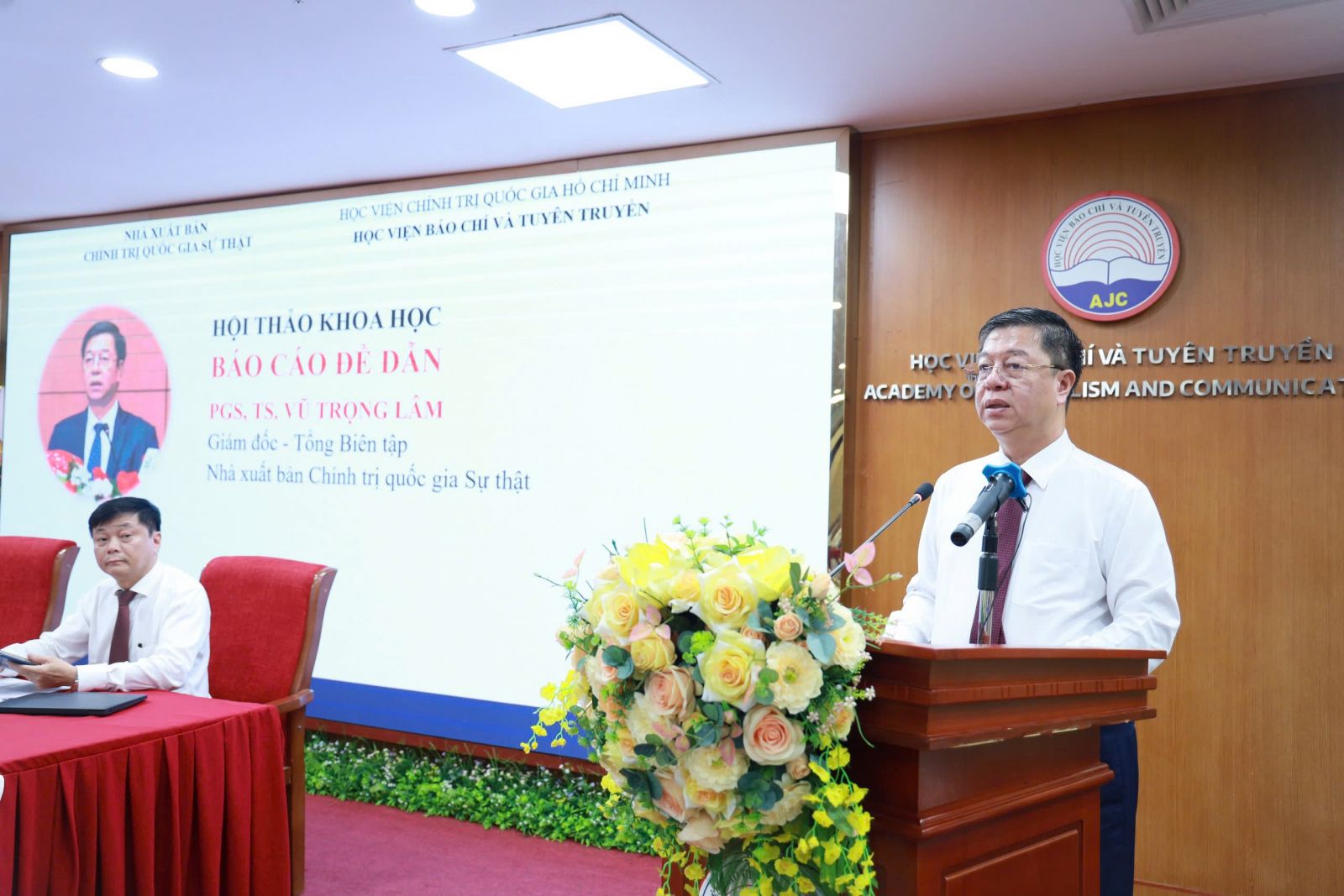
Assoc. Prof. Dr. Vu Trong Lam, Director and Editor-in-Chief of the National Political Publishing House "Su That" (Truth), delivered the introductory remarks at the seminar.
In his introductory address, Assoc. Prof. Dr. Vu Trong Lam affirmed that efforts to disseminate and promote political theory in the digital space have recently seen positive developments. In tandem with the national digital transformation process, the propaganda sector, press and publishing agencies, as well as research and educational institutions, have increasingly integrated digital technologies into their outreach activities. This has expanded the reach of information, diversified delivery formats, and enhanced public engagement. Content is now more closely aligned with the country’s practical realities, promptly reflecting the Party’s guidelines and policies, the State’s laws and regulations, and issues of significant public interest. Furthermore, the publication of political and theoretical materials, policy communication, legal education, and efforts to counter erroneous or hostile viewpoints online are now being carried out through a wide variety of formats.
However, Assoc. Prof. Dr. Vu Trong Lam noted that the dissemination of political theory in the digital space now faces new demands. The digital media landscape is undergoing rapid shifts in technology and information distribution methods; the rise of generative artificial intelligence, big data, and algorithmic content-recommendation systems is fundamentally transforming the media environment. Concurrently, the public’s information-consumption needs and habits are evolving, necessitating more tailored and appropriate approaches to the dissemination of political theory. Furthermore, the personnel responsible for disseminating and popularizing political theory need to enhance their capabilities by acquiring new knowledge—particularly regarding the application of technology and digital transformation. The coordination mechanisms among research institutions, regulatory bodies, media and publishing outlets, and other relevant organizations must also be further refined to effectively leverage existing resources and improve adaptability in the face of the rapid changes occurring within the digital media landscape.
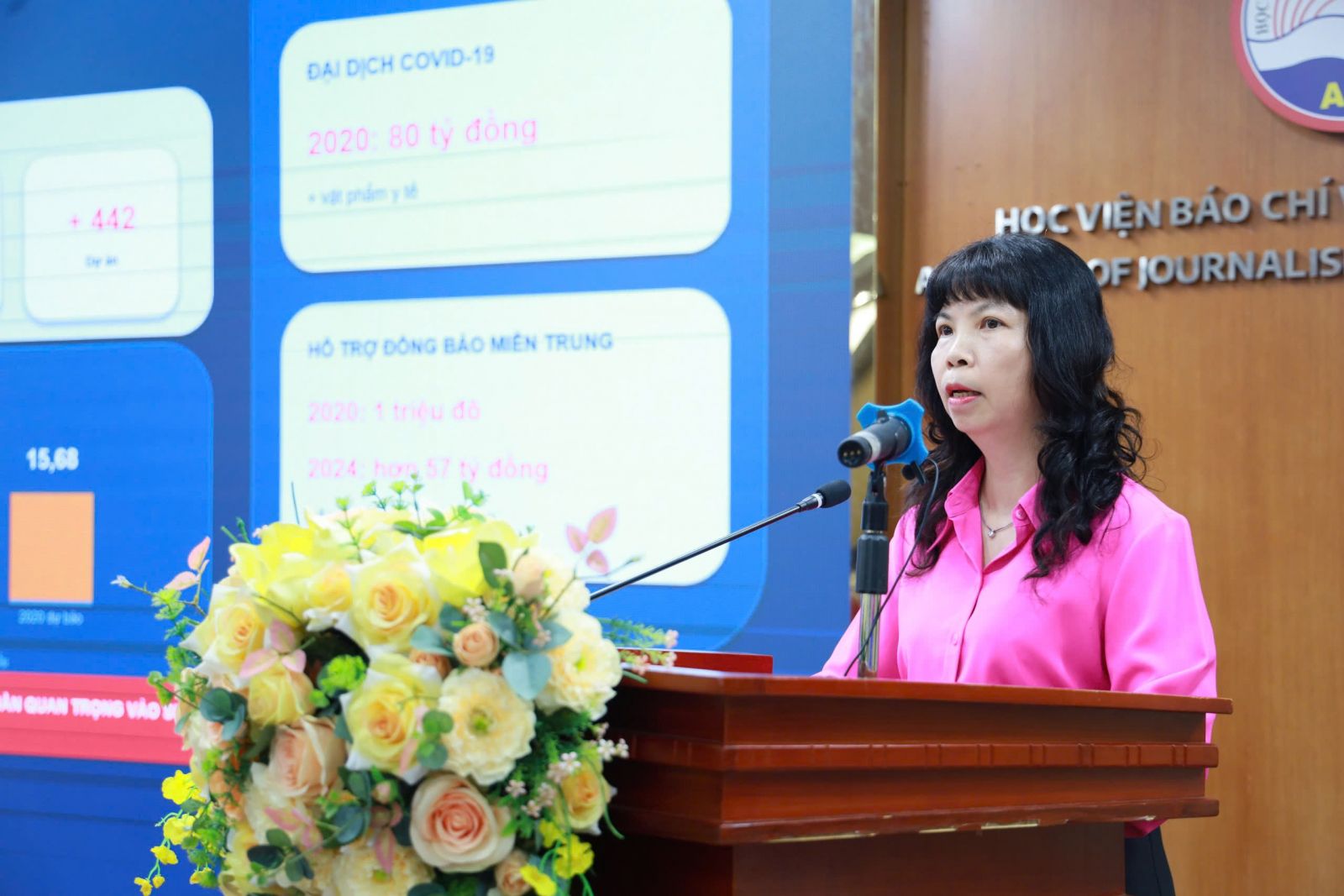
Ambassador Pham Thi Kim Hoa, Deputy Chairwoman of the State Committee for Overseas Vietnamese Affairs under the Ministry of Foreign Affairs, delivered a presentation titled: “Promoting the policies and laws of the Party and the State regarding the Vietnamese community abroad: Contributing to diversifying methods for disseminating political theory in the new context.”
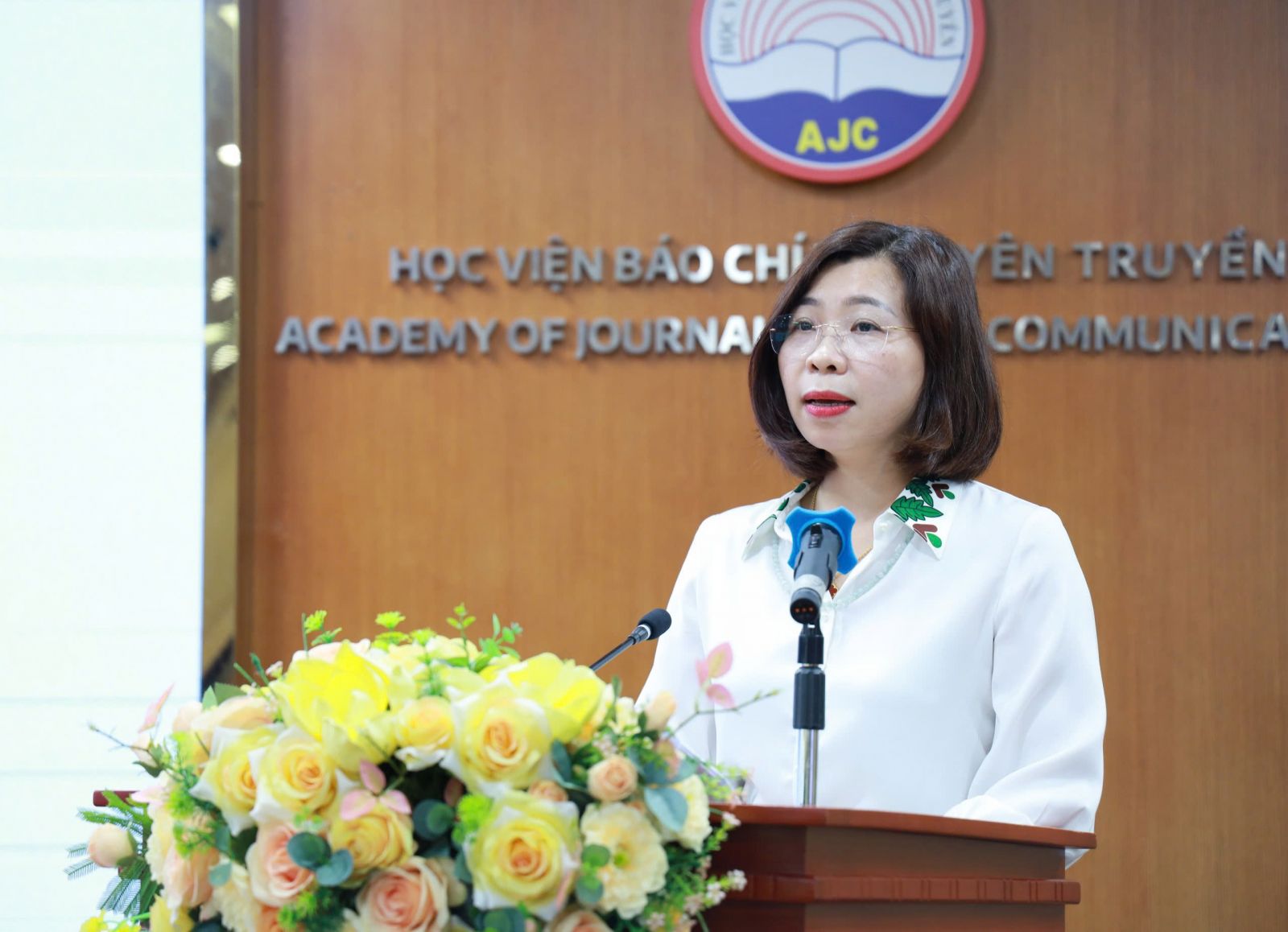
Assoc. Prof. Dr. Nguyen Thi Truong Giang, Vice President of the Academy of Journalism and Communication, presented a paper titled: “Innovating the Dissemination and Popularization of Political Theory in the Cyberspace Context Amidst Digital Transformation.”
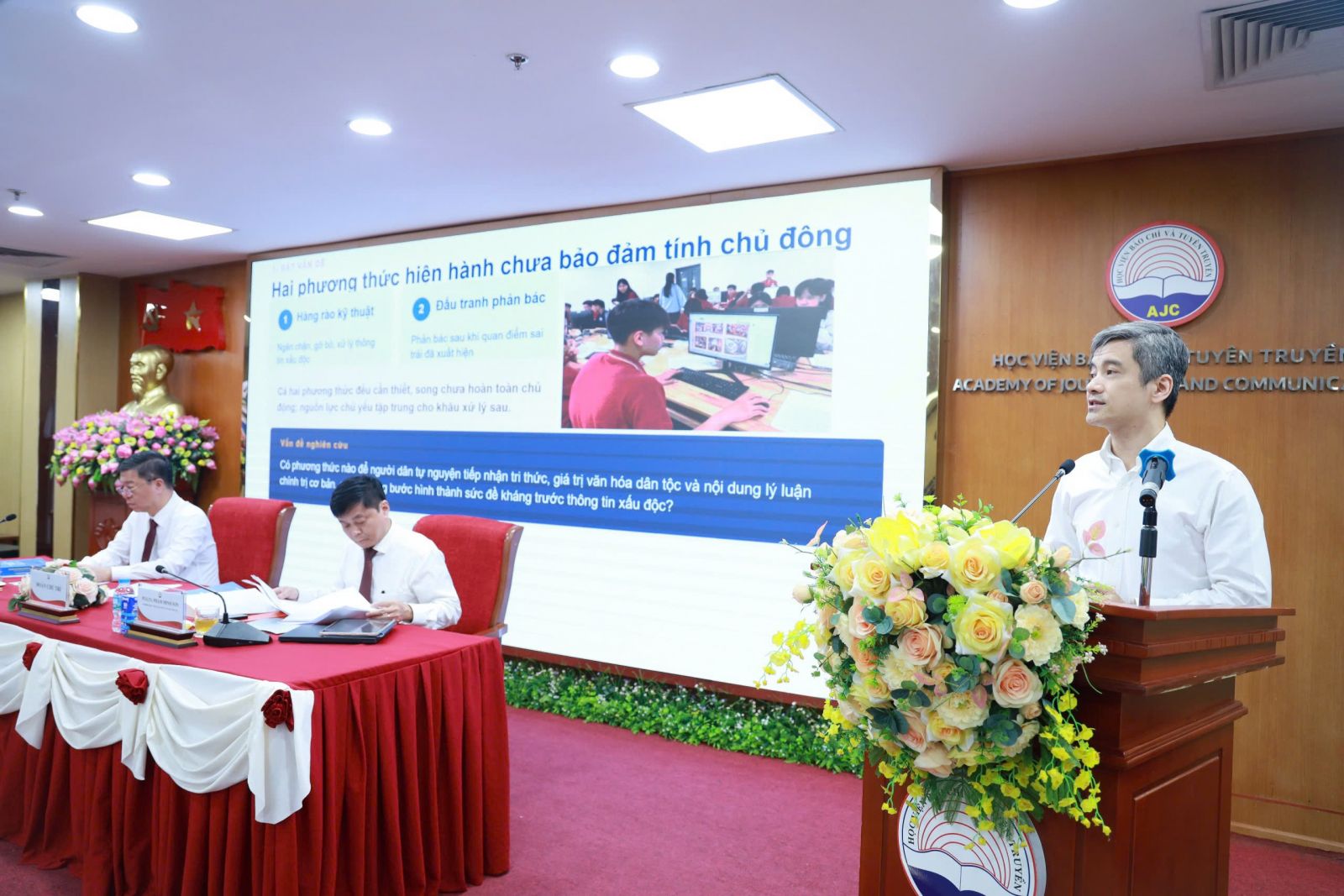
Dr. Chu Tien Dat, Chairman of the Board of Members of the Vietnam Multimedia Corporation (VTC) – under the Ministry of Culture, Sports and Tourism – delivered a presentation titled: “Knowledge and Cultural Communication: Contributing to the Protection of National Sovereignty in the Digital Space.”
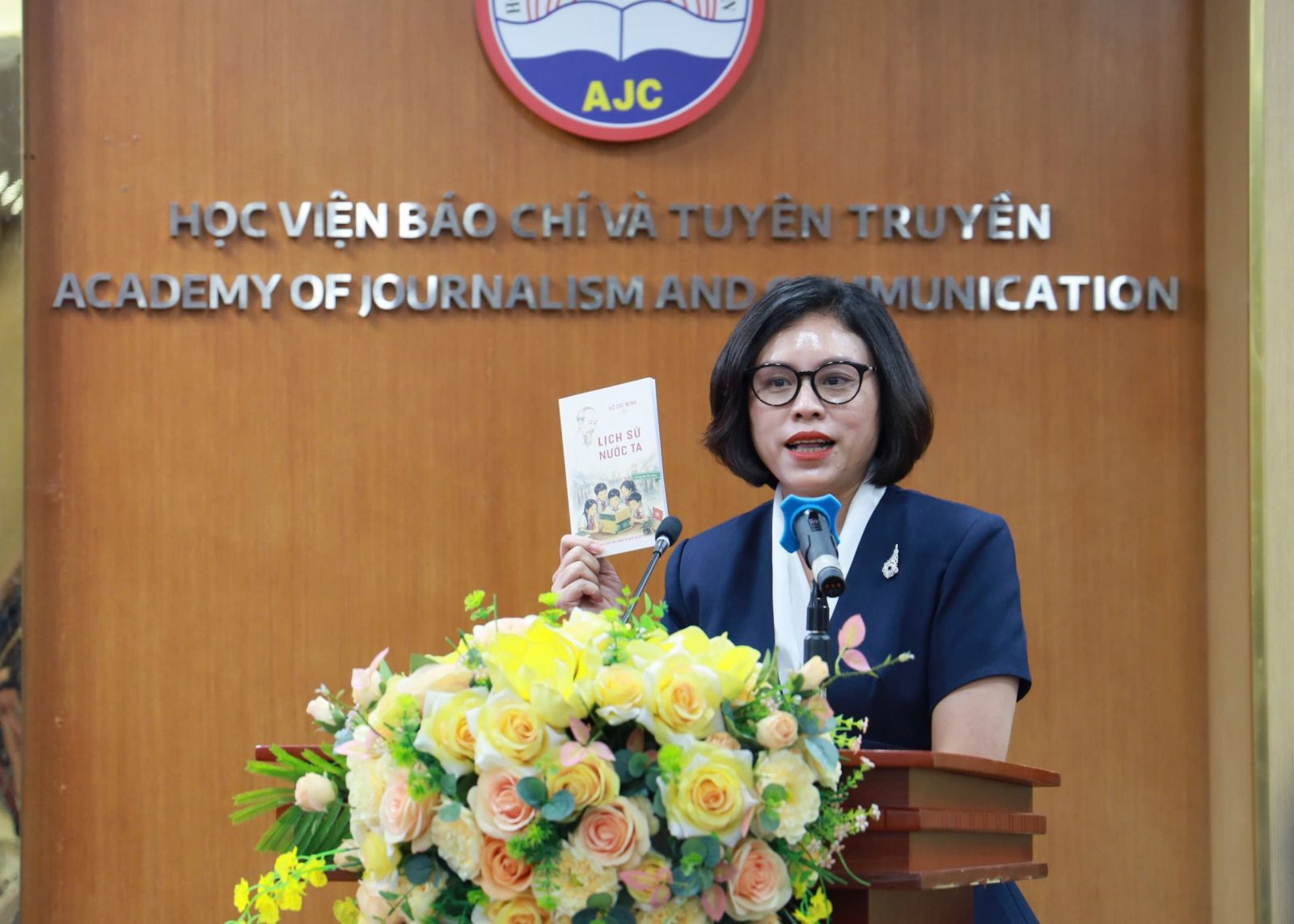
Dr. Vu Thuy Duong, Dean of the Faculty of Publishing at the Academy of Journalism and Communication, presented a paper titled: “Innovating the Publication of Theoretical and Political Books on Digital Platforms: Current Status and Solutions.”
At the seminar, delegates focused on discussing various theoretical and practical issues concerning the dissemination and popularization of political theory in the digital space, policy communication, the development of digital publishing, and the application of artificial intelligence. They also addressed proactive measures to counter fake or distorted information, as well as activities that exploit technology to propagate, misrepresent facts, and undermine the Party and the State.
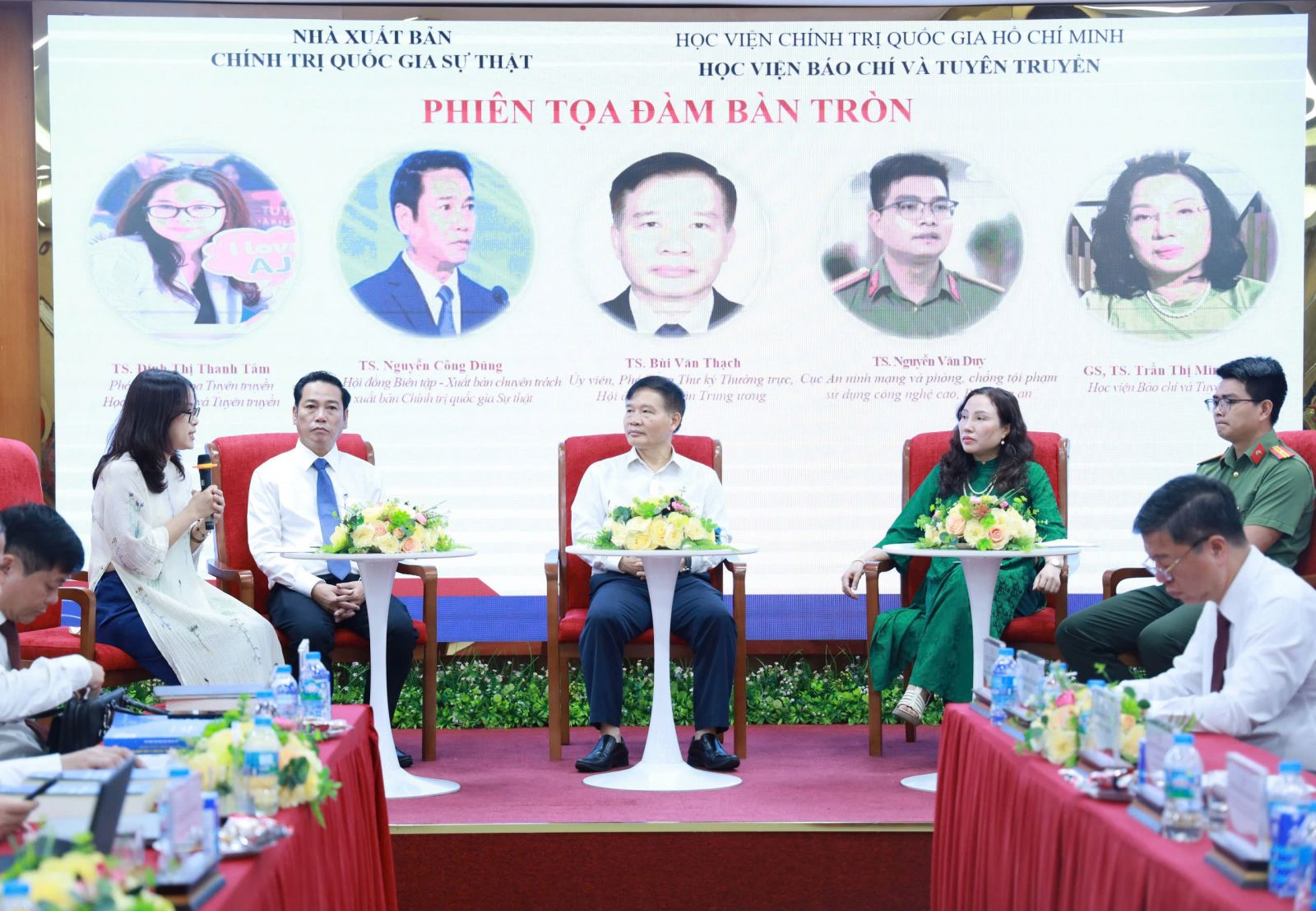
Speakers engaged in a roundtable discussion as part of the seminar.
In his concluding remarks, Assoc. Prof. Dr. Pham Minh Son, President of the Academy of Journalism and Communication, noted that the presentations and discussions underscored the necessity of innovating the dissemination of political theory in cyberspace. The participants analyzed the opportunities and challenges that arise as cyberspace becomes a "fifth operational domain." Many contributions examined the current landscape and proposed solutions to modernize the communication of political theory—leveraging artificial intelligence and big data, enhancing interaction and dialogue, and employing storytelling techniques to bridge the gap between theory and practice, thereby increasing persuasiveness and reach among the digital-era public. Furthermore, several presentations emphasized the importance of building an "intellectual immune system" for citizens and fostering a "foundation of public support" within the technological landscape. They also highlighted the need to establish operational discipline, cultivate a healthy and modern media ecosystem, and develop a cadre of officials and experts who possess both steadfast political conviction and deep proficiency in digital technology and artificial intelligence. Crucially, there is a need to shift from a defensive mindset to a proactive, offensive approach in response to the rapid evolution of social media and cross-border digital platforms.
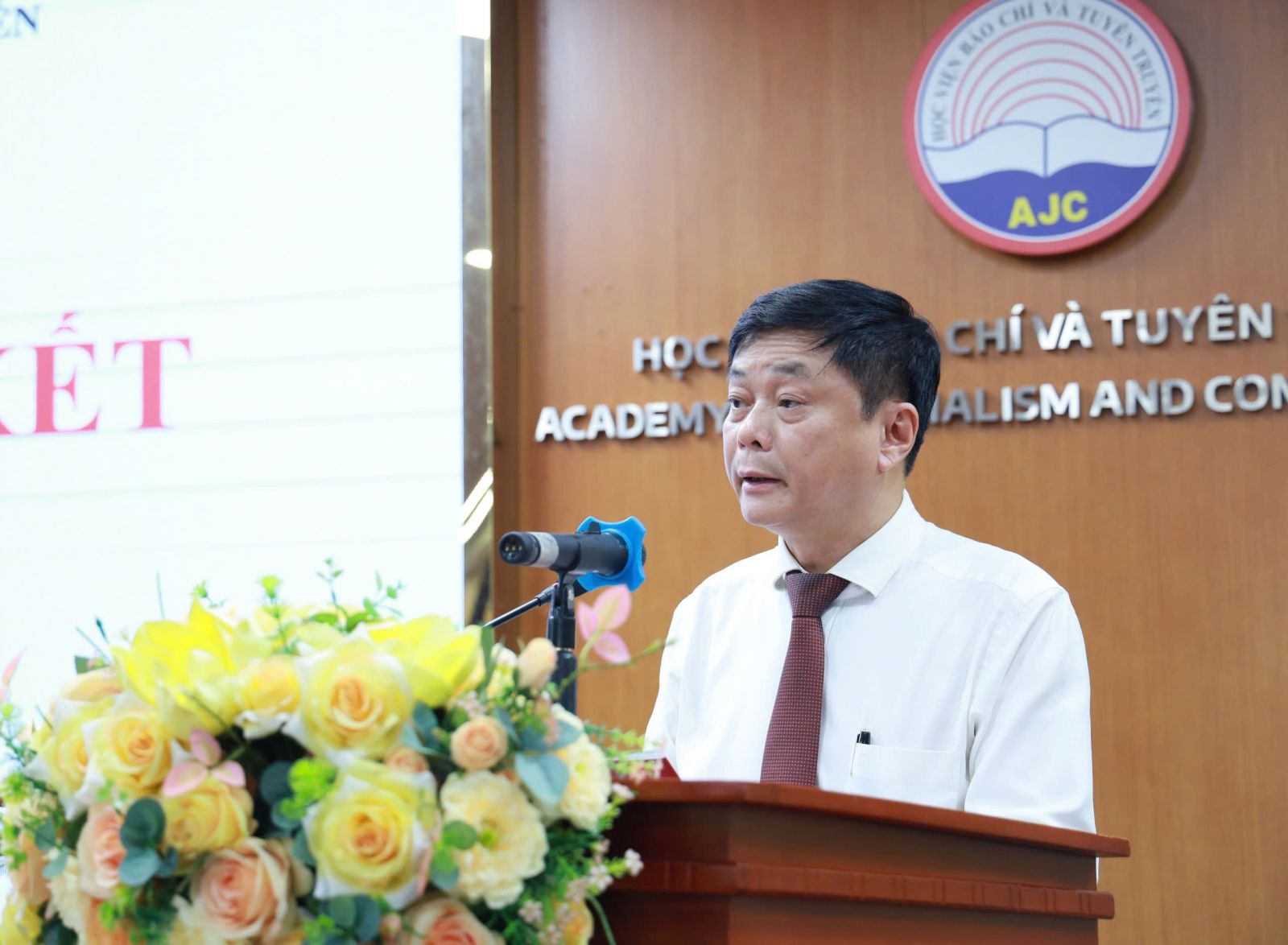
Assoc. Prof. Dr. Pham Minh Son, President of the Academy of Journalism and Communication, delivered the concluding remarks for the seminar.
The outcomes of the seminar contribute to enriching the scientific and practical foundation for the dissemination and promotion of political theory. Furthermore, they offer valuable guidance and actionable solutions for developing and firmly safeguarding the Party’s ideological foundation, thereby meeting the requirements for national development during this era of the nation’s great resurgence.
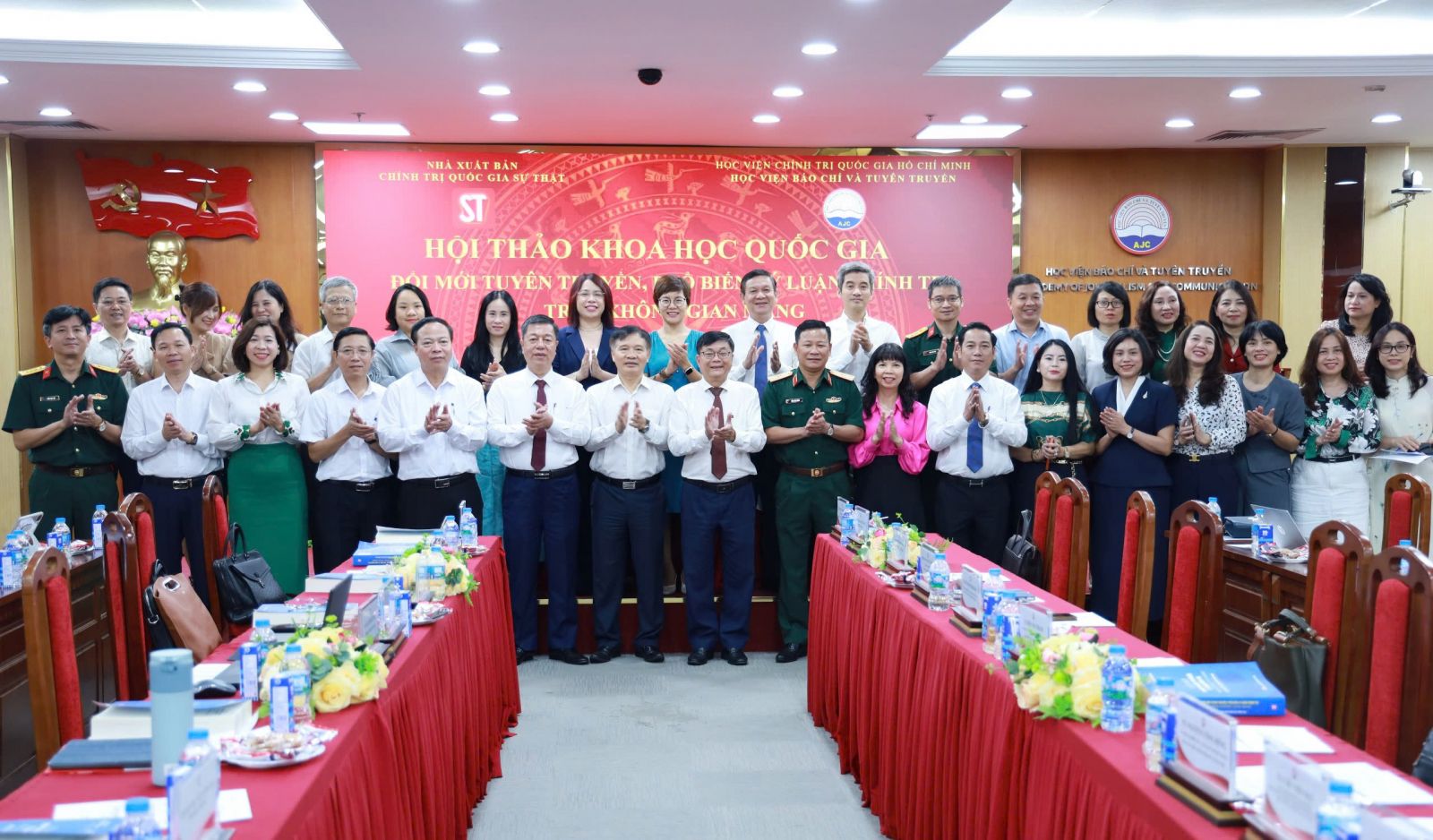
The delegates pose for a commemorative photo.

Comments